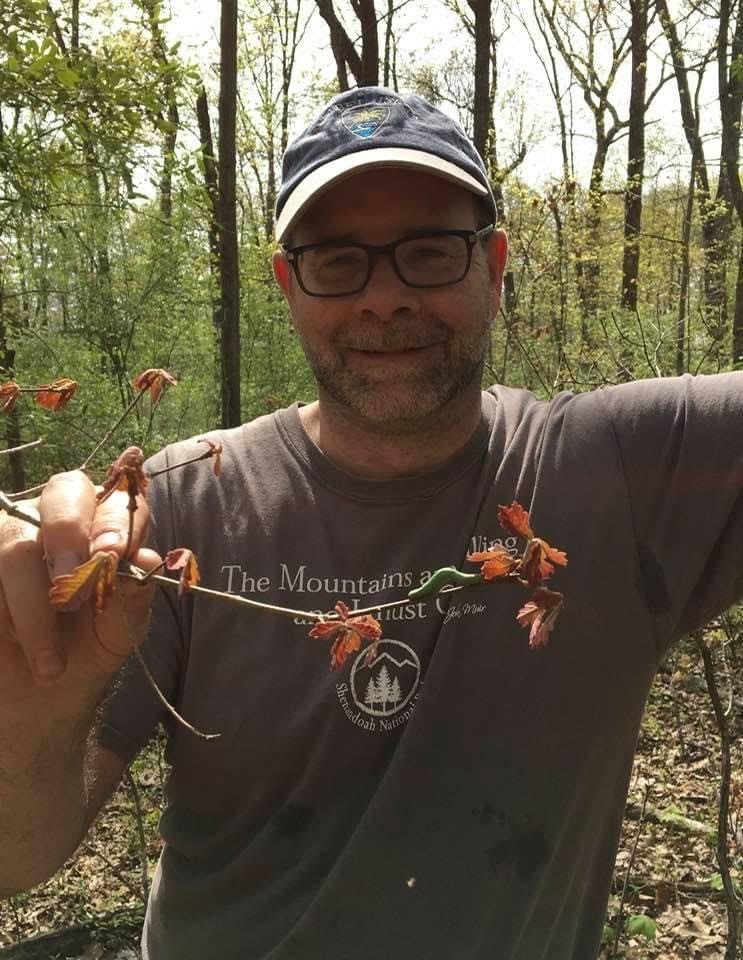
John Lill
My research interests focus on the ecology and evolution of plant-herbivore interactions. More specifically, I am interested in understanding the joint impacts of host plant traits and natural enemies (insect predators and parasitoids) on insect herbivore life history traits, behavior, population dynamics, and host plant ranges. Along with students, I am also investigating the effects of climate change on species interactions.
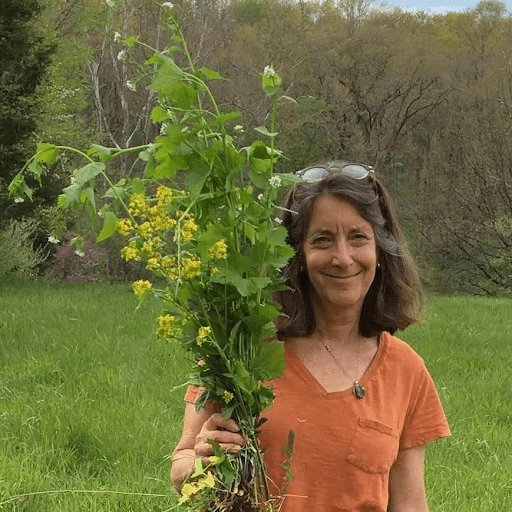
Martha Weiss
My research focuses on the role of behavior, by both plants and insects, in mediating interactions among the two groups of organisms. The sensory and behavioral attributes of insects, including vision, taste, smell, and touch, as well as a capacity to learn and remember, ultimately shape the insects’ ability to interact with and exert selection on plants and on other insects. Similarly, the active behavior of plants allows them to take advantage of insects’ sensory and behavioral capabilities.
Diane Lill
As Director of Education for Conservation Nation, I am focused on inspiring the next generation of conservation leaders and creating a more inclusive community of people working to protect nature. Learn more at www.conservationnation.org. (Note: I initially collaborated with the Cicada Team on the 2021 educational materials when I was Director of the GreenKids Program for Nature Forward, formerly known as Audubon Naturalist Society.)
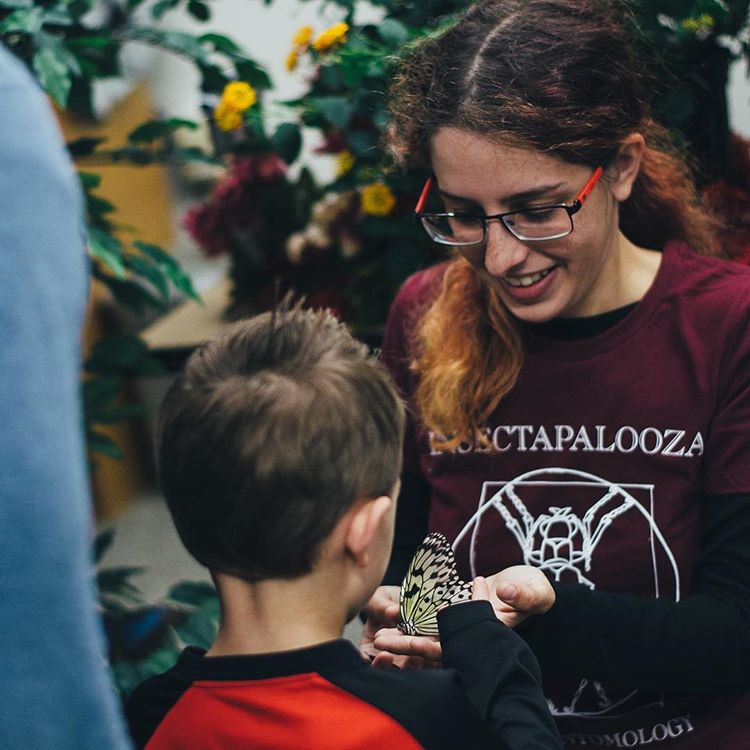
Zoe Getman-Pickering
I have left the cicada team to work at UMass Amherst on finding solutions to the most pressing challenges of the green energy transition.
My graduate research focused on interactions between plants, insects, and fungi. Specifically, I worked on how mycorrhizal fungi can make a plant more or less susceptible to insect herbivores. I also developed LeafByte, a free app for measuring leaf area and herbivory.
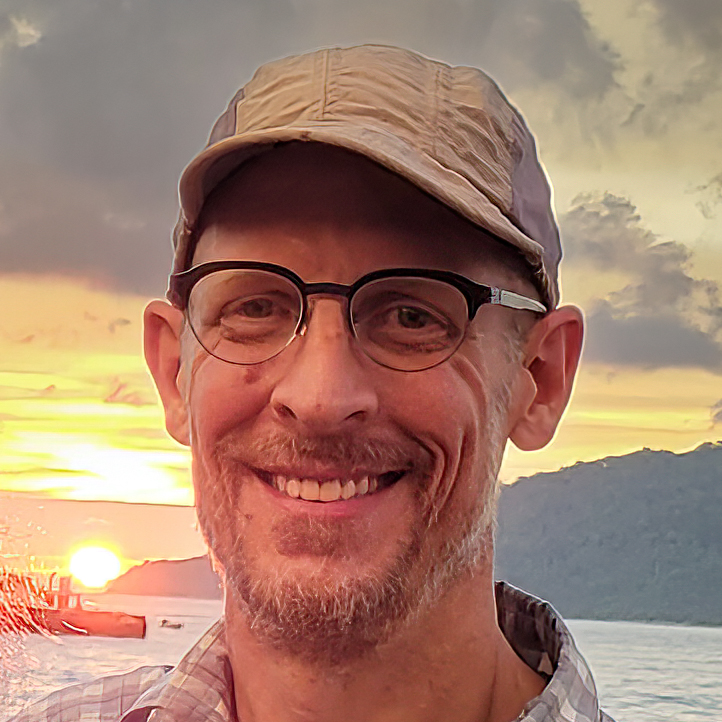
Daniel Gruner
My research investigates species interactions in food webs, the maintenance of biodiversity in ecological communities, and their feedbacks with ecosystem processes. Our lab also applies basic science to address human-caused environmental challenges, such as biological invasions and climate change, to further ecological restoration and conservation.

Sean Menke
My research integrates the study of ecology, behavior, and evolution into the fields of biogeography, community ecology, and invasion biology. More specifically, I am interested in what determines species persistence, coexistence, and movement across spatial scales. My students and I focus on ant communities as a way to answer these questions.

Yair Ben-Dor
I am an undergraduate student studying biology and chemistry at George Washington University and a member of Dr. John Lill’s Ecology Lab. My research focuses on caterpillar differentiation and nascent speciation. Additionally, I assist in maintaining and updating this website.
 Periodical Cicadas